Your Custom Text Here
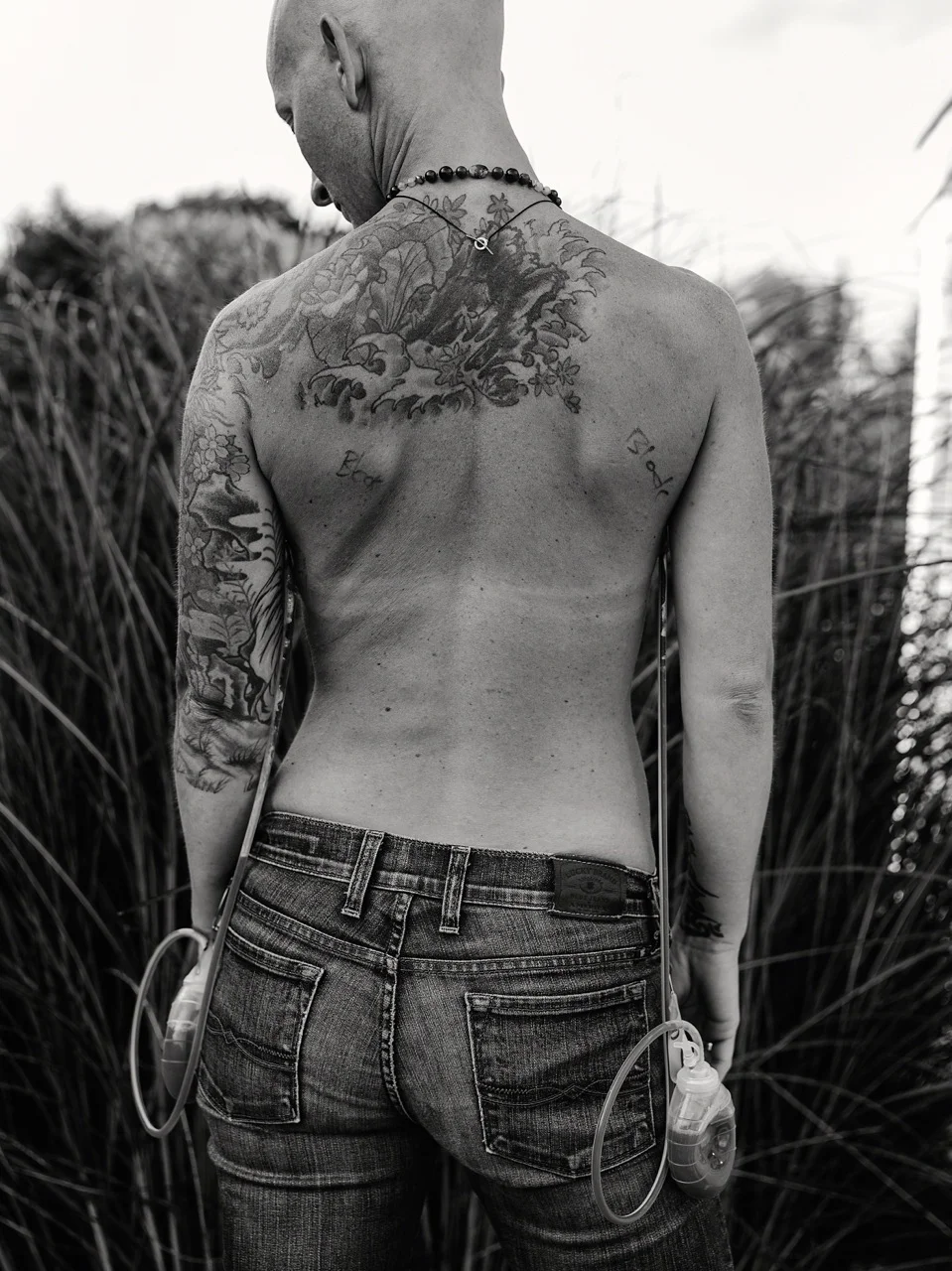
Life After the Knife
The explanation seemed to continue on for hours. The radiologists’ voices seemed distant and distorted, as if the words came out of their mouths in slow motion. Then, all of a sudden, they disappeared. They went to check on the O.R. and the time space continuum swallowed me up. All I could hear was the thumping of my heart and the loud rush of adrenaline coursing through my veins.
Photo by Robert Kricivich
Originally Published post-mastectomy. August 12th, 2013
Eight months doesn’t seem like a lot to exchange for the chance at living another 50 years, so I’m trying to be patient.
For me, the past 2 weeks since my mastectomy have been packed with a myriad of emotional transitions and physical alterations and it’s been tough to stay attentive. Despite my lack of physical activity, all the emotional flux I’ve been navigating has turned slow days into full days, and I find myself feeling like the last 2 weeks have both flow by and crawled along at a snail’s pace.
It’s hard to believe that 2 weeks ago I had a body of disease and today I am making big strides towards a full recovery.
According to everyone, my double mastectomy with immediate reconstruction was a great success. With the guidance of my savvy oncologist, the previous 3 months worth of chemotherapy shrank my tumor and all of it’s many calcifications and satellite spots of carcinoma to an almost undetectable presence. My breast surgeon was then able to remove all the invasive cancer from my chest, get clean margins and perform what is called a nipple and skin-sparring mastectomy.
What is a skin-sparring mastectomy, you may ask?
For those of you who are unfamiliar with this process, as I was before confronting it, this kind of mastectomy involves the removal of all of the patient’s breast tissue, but preserves a woman’s own nipple(s) and surrounding skin.
While nipple-sparring is said to alleviate some of the emotional turmoil a woman will feel following a mastectomy, sadly she will likely loose most of the sensation in her nipples. Generally speaking the pain level following this type of mastectomy is greater than that of a simple or total mastectomy, but if it were possible, I was prepared to pay that price should I be able to keep more of myself self intact.
It was originally said that I was not a candidate for this type of mastectomy given the extensive and aggressive nature of my cancer, so going into my operation, I wasn’t sure what to expect. Leading up to the operation, my team prepared me for two of possibilities: 1. single stage reconstruction with implants, or 2. tissue expanders which would help rebuild my breast over several months should everything need to be removed. I had no idea which outcome I would awake to.
Needless to say, I was scared.
I arrived at Mass General Hospital at 5:30 am with my teammates by my side. Both my partner Burr and friend Elisa helped shepherd me through not one, but two preoperative check points, and as we got closer to the surgical time of 7:00am my anxiety was mitigated only by a dose of Ativan.
The fear kicked in big time when my partner and I were greeted by my anesthesiologists who explained to me in detail the process of getting a PVB, or paravertebral block. The explanation, though sound, did nothing to make me feel better.
“PVB is an advanced nerve block technique, in which long-acting local anesthetic is injected below the muscles lateral to the spine and adjacent to the spinal nerves. Ultrasound guidance ensures correct needle placement, and the injected local anesthetic provides a band of numbness around the chest and breast area.”
Ultrasound guidance or not, I was terrified by the thought of someone sticking a needle in my back. After all, I am the girl who’s primary motivation to birth at home was to avoiding an epidural. Put another way, I’d take childbirth over a needle in my back any day.
The explanation seemed to continue on for hours. The radiologists’ voices seemed distant and distorted, as if the words came out of their mouths in slow motion. Then, all of a sudden, they disappeared. They went to check on the O.R. and the time space continuum swallowed me up. All I could hear was the thumping of my heart and the loud rush of adrenaline coursing through my veins.
Be here now, said a voice from somewhere deep inside my mind.
It occurred to me right then and there, that was exactly what I had been practicing and teaching in my yoga classes all year: being present no matter what was going on. Regardless of the mounting pre-surgical fear, this was another golden opportunity to put my money where my mouth was, and be.
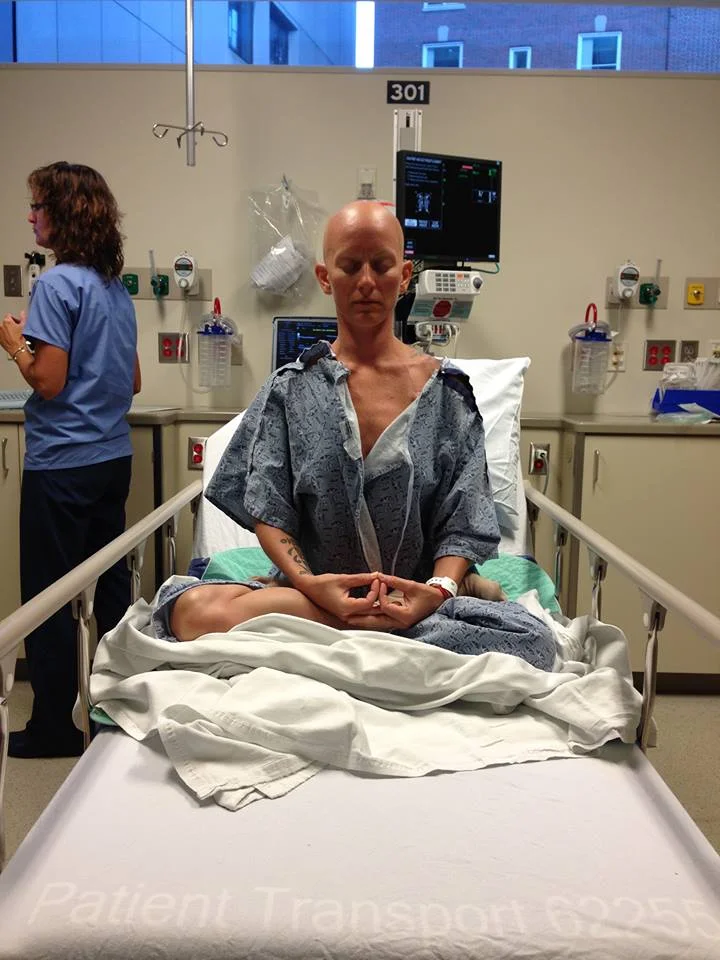
Pre-op meditation. July 25rd, 2013
Be here now, the voice said again.
I fell back on my mindfulness techniques. I focused on the feel of the loose hospital garment draped over my shoulders, the sounds around me, and the cold bed beneath my seat. I remembered Thich Nhat Hahn’s gatha:
Breathing in I calm.
Breathing out I smile.
Dwelling in the present moment
It is a precious moment.
My partner was asked to clear the room and an ultrasound machine was switched on. Someone injected an intoxicating liquid mellow into my I.V. and soothing female voices began coaxing me to relax. Reflexively I started ujjayi breathing, and somehow I faded into the ether. I barely remember the nerve block going in.
The next thing I remember was thirst. Thirst, then dizziness, then nausea and then my partner. By the grace of the goddess, the marvels of modern medicine and several hundred friends and yogis praying and practicing for me around the country, my surgery was a success.
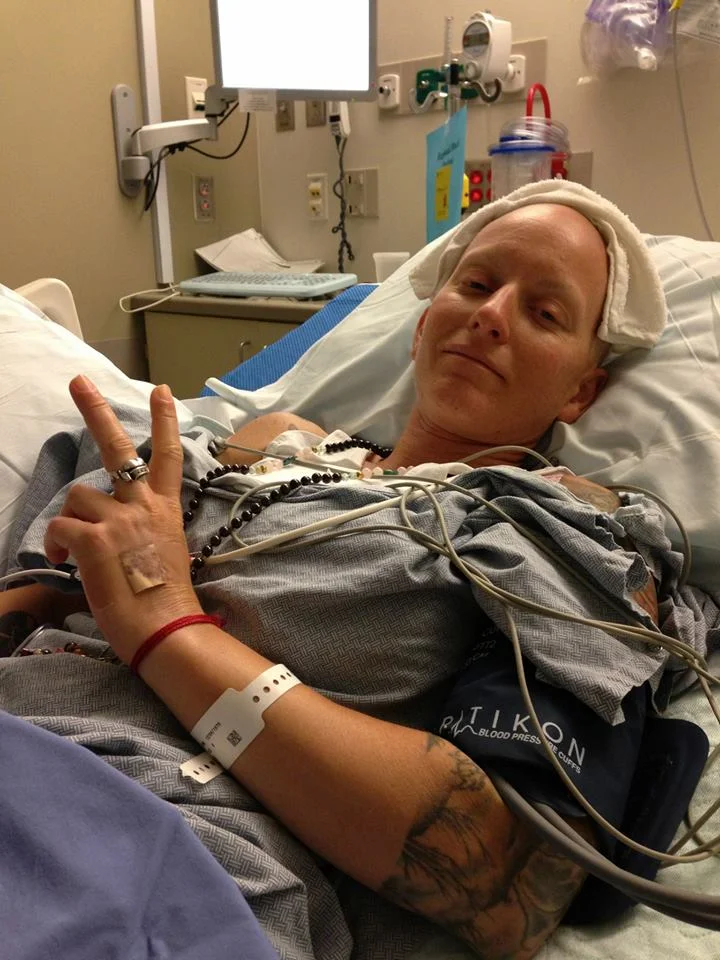
My tumor was gone.
My breast surgeon had saved my nipple, the plastic surgeon reconstructed my breasts and everything had been completed within the space of a day. As I came to my senses, I felt a tightness around my chest and a tingling in my breasts.
Breasts! Yes, I had them!
Two of them; swollen and distorted from surgery, but exactly where the old ones had been. How amazing!
I was released from the hospital two nights after my surgery. Sent home with a monstrous surgical bra and an elastic band that wrapped around my chest to keep the implants from pulling north, I felt like a walking Ace bandage. With the residual effects of anesthesia and morphine still pumping through my body I was amped-up enough to entertain company for dinner. I was alive, tumor-free
I’d love to say that things went smoothly from there on out, but I can’t. I’d love to tell you that I kept the full sense of mindfulness and presence I had found in pre-op, and that I basked continually in gratitude for my medical successes, but that wouldn't be truthful.
A knife might be less painful than depression.
The truth is, that once the last of the intravenous drugs wore off, nausea and vomiting descended upon me like locusts, eating up any excitement or enthusiasm I had had for surviving the surgery. Since I couldn’t hold food down, I weened myself off everything except Tylenol and Ativan, three days after my hospital discharge.
But once off the narcotic pain killers I was haunted by strange phantom pain in my chest and bizarre let-down reflexes in my breasts.
Every time I thought about my holding or snuggling with my son Griffin, I’d feel the hot prickling sensation of my long ago dried up milk coming in, and a floodgate of tears would stream down my cheeks. No longer having milk ducts to produce and deliver milk, nor a baby to nourish, I felt bewildered by these sensations and overwhelmed by maternal yearning.
Try Googling “phantom let-down reflex after mastectomy,” and you might get two or three hits on some breast cancer message board, and that’s about it. So little information exists out there that I thought I was just imagining things.
I made valiant attempts to stay positive, but found myself spiraling into sadness.
The dirty, dark secret thing that no one wants to talk about, the possibility the doctors don’t warn you about, the trap that Glass-Half-Full-Cancer-Warrior-Troopers aren’t supposed to succumb to, is that cancer can cause clinical depression.
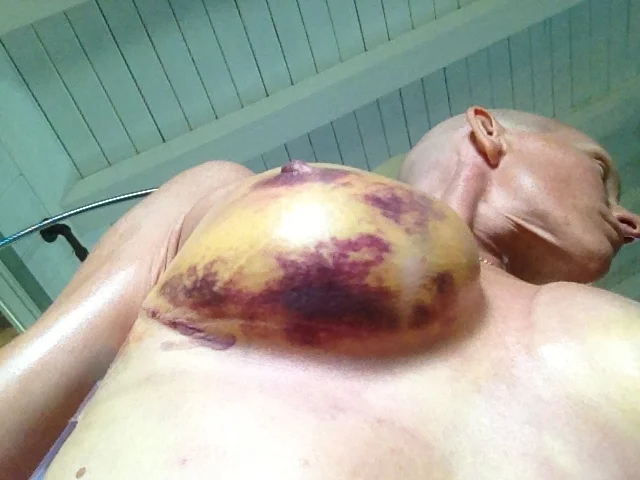
4 days post-p July 29th, 2013
And about 7 days out of surgery, I fell into a deep, self-loathing darkness. The darkness in my heart matched perfectly the deep purple bruising spreading across my chest.
I’ve always believed that knowledge is power, so I’ve since done a little digging. It turns out that studies show as many as 1/3 of people newly diagnosed with cancer, in treatment for cancer and those who’ve survived cancer suffer from PTSD, post-traumatic stress disorder, and according to HealthNews Day, 1 in 4 women with breast cancer report symptoms of PTSD following diagnosis and/or treatment.
Symptoms of PTSD include “trouble sleeping, memory problems, irritability or anger, feelings of guilt or shame and episodes of uncontrolled sadness and crying spells” (Post-traumatic Stress via The Mayo Clinic).
Well, this explained the darkness and tumultuous tears.
I rested all of my hope on getting my surgical drains taken out as soon as possible. These drains are a package deal when you have a mastectomy and keep blood and lymphatic fluid from collecting at the surgical site. The drains are embedded inside the breast area and extend externally from your body, where they connect to collection bulbs, sometimes called grenades. The bulbs are awkward at best, and need to be fastened with safety pins to your clothes.
While the drains functionally provide an important service, they are anything but sexy (if you’re interested in more about the drains, there are hundreds of patient-made videos you can watch on YouTube), suffice to say that daily life with the tubes and drains comes with its own set of challenges.
I was crestfallen when at my July 31st follow-up appointment with my plastic surgeon, he told me I’d need to keep the drains in for at least two more weeks due to residual edema and the stubborn internal bleeding. For a short while I let this pull me down deeper into my depression.
“Let everything happen to you, beauty and terror, no feeling is final.”
~ Rainer Maria Rilke
The drains are a drag. But they are temporary! At least that’s what I keep telling myself, and isn’t that the lesson that has made itself all too clear since the beginning of this journey: that everything is temporary (beauty, youth, fertility, hair, health, even breasts). The only constant in life is change.
In her powerful and tender book, Being Well (Even When You are Sick), Elana Rosenbaum counsels those of us with illness that “To accept change, we need to accept thoughts and feelings as well as our resistance to an altered life.” I read that and thought, what sage advice.
So all that being said, I decided this week, it was time to accept my bulbous plastic friends and my depression and then maybe I would stop feeling so out of control. I've stopped fighting everything so hard and started embracing things as they are.
I took some solace in my old copy of Pema Chodron‘s seminal work When Things Fall Apart. I started walking the 1/8th of a mile to the beach a couple of times every day, and recommitted to my meditation practice. My partner came up with smart, creative ways to make the drain grenades more comfortable.We used old Kaenon sunglass bags to cover the sticky plastic bulbs (making them much less irritating to my skin) and carabiners to fasten them to my belt loops. This makes wearing the grenades more comfortable and it saves my clothes from holes made by the safety pins.
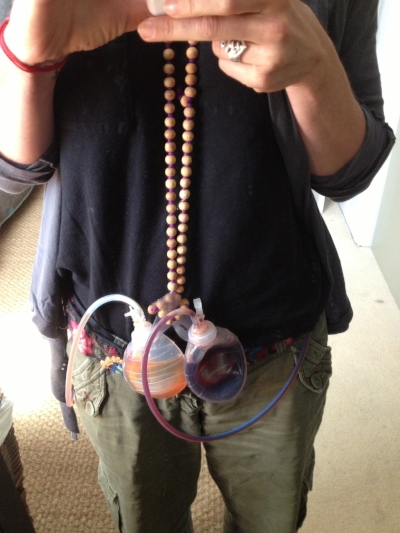
Malas: not just for mantra
Now, when I wanted to shower, we made good use of one of my many malas. It’s easy to pin the drains between the beads, and this frees up your hands for sudsing and shaving. I realized that if I ooped a long mala around my neck twice, I had enough freedom to move my arms (at least from the elbows down) to wash a good deal of my own body.
Sometimes I keep the grenades pined like this all day long. I've gotten used to looking at the fluid they collect. But If I leave the house, I cover them up. Their unsightliness could easier nauseate the unsuspecting passerby. The bulls go back in the sunglass bags and the drains get pinned back inside one of my paretner's boxy t-shirts.
If I’m teaching yoga, I wear a flowy skirt with a roll down waist band that can cover the grenades and a loose tank top on top to hide the drains. I sit on a yoga block at the front of the studio and keep pillows under my armpits to remind me from excitedly gesturing while I instruct with own my voice.
I even started going to the gym…with my parents!
As if it weren’t already sweet enough that each day this week, my father or my mother has picked me up and chauffeured me to the Nantucket Health Club, the entire staff welcomes me with open arms and showers me with encouragement. “We’re with you” they say. “You can do this!” they declare.
The reality is, I can’t do much (exercise that is); nothing with my arms until my drains are taken out, but I can ride the stationary recumbent bike. So that’s what I’ve been doing; about 10 miles a day, at a very mild pace.* The endorphins I release while exercising are giving me the kick in the ass I’ve needed to stop the depression in it’s tracks, and despite the drains, I feel better than I have in weeks.
*Patient Note: it is important not to get your heart rate up too high while recovering from surgery — exercise only under your doctor’s guidance.
My dad is a cancer survivor too. Stage IV throat cancer almost took him from us two years ago. It’s kind of a miracle he’s alive, considering he smoked well into his 50′s.
Never having been one for a workout, it’s impressive that this year he’s getting himself to a few group fitness classes per week. I’m tickled pink when we go there together: two cancer survivors, working out in the same gym, giving cancer a run for its money.
My life feels very different since I was diagnosed with cancer.
It certainly looks different. Sometimes things change at lightening speed; like the period of time from your initial diagnosis to beginning of your treatment. Other times a procedure seems to last forever: hours lost in trance watching drugs drip slowly from their IV bags. The key, I think, perhaps for all of us no matter what the struggle, is to stay present with whatever is happening, whenever possible, as much as possible and to remember each moment is temporary. One wave turns into another. Eventually, we learn to surf.
“The curious paradox is that when I accept myself just as I am, then I can change.”
~ Carl Rogers
###
MAKING THE BREAST DECISION
It’s been 4 months since a core biopsy revealed I have invasive breast cancer. Since then, my days have been chock-full of research and reflection, so I’ve had plenty of time to think about the upcoming July 24th surgery that will theoretically save my life.
Originally published on RebelleSociety.com
July 23rd, 2013
It’s been 4 months since a core biopsy revealed I have invasive breast cancer. Since then, my days have been chock-full of research and reflection, so I’ve had plenty of time to think about the upcoming July 24th surgery that will theoretically save my life.
In the past 4 months I’ve had 14 infusions of chemotherapy and 16 weeks toweigh the options: single mastectomy, double mastectomy, reconstruction, no reconstruction, nipple tattoo, artistic tattoo, no tattoo. I’ve grappled with whether the path of least resistance would be to peel myself back to the bone, bravely staying flat chested forever, or to move gracefully forward with the replication of what I am about to loose.
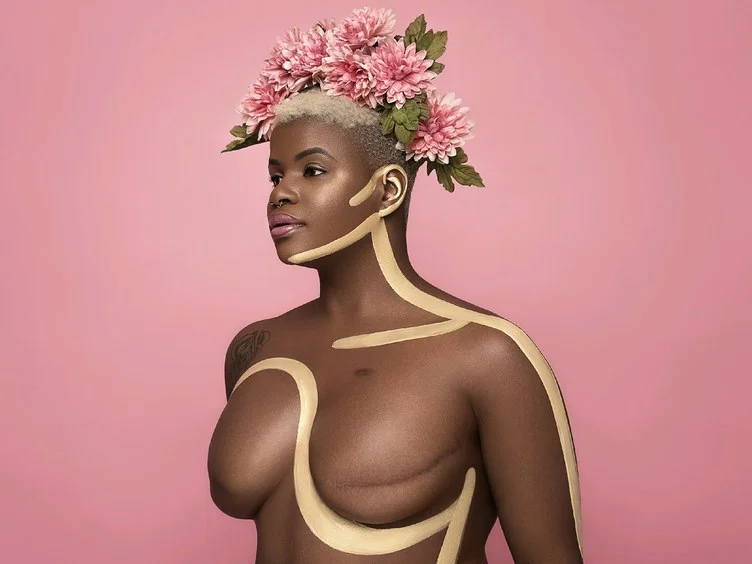
Photographer: Joey "Islandboi" Rosado / Make-up artist & Art direction: Moshoodat
Each option has its pros and cons. Of course they are all preferable to have no options at all.
With all the decisions that needed to be made, I’ve researched all my available choices (there are many) and prepared myself for the various possible outcomes of resection (there are a few). I’ve asked everyone I knew who’s gone before me all the relevant (and delicate) questions: Are you happy with your choices? Would you do things differently? Do you like the way you look?
Some of my fellow breast cancer warriors elected to remove only the breast affected by cancer, and haven’t sought to reconstruct. Some of these women use an external prosthetic in their bras and bathing suits, some don’t.
Many women I’ve spoken to have removed both the diseased breast and the healthy one prophylactically, and have reconstructed both. Some of these women were candidates for nipple-sparing mastectomies, which left their original areola and nipples intact; some were not and could not.
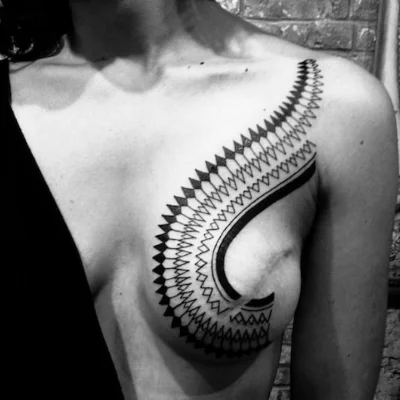
For those for whom saving the nipple and surrounding skin isn’t an option artistic tattooing can be healing. These women are empowered by reclaiming this part of their body with stunning tattoos where nipples or whole breasts used to be. Each woman’s options are affected by her case, diagnosis and genetic background. The possibilities are many. The choices can feel overwhelming…
I’ve taken a winding, sometimes bumpy road to arrive at my own decision.
In the beginning I researched various autologous reconstruction procedures, all of which create new breasts using some fat, muscle, skin and blood vessels harvested from another area of one’s own body. But I came to the conclusion that this option could leave me physically weakened in the donor area of my body, and might seriously interfere with my yoga practice and my love of competitive athletics.
Then I asked myself if I’d be okay using cadaver or bovine (yes, cow) tissue to hold a silicon or saline implant in place. As an aspiring vegan, this presented me with a bit of an ethical dilemma, and I wasn’t sure if I could introduce any kind of foreign body into my own; whether it came from a four-legged friend or a chemical manufacturer.
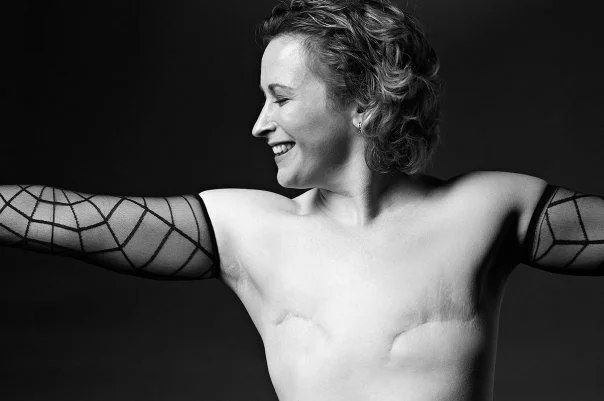
David Jay Photography via TheScarProject.org
Down to the bone.
In May, I came to the momentary conclusion that I would choose mastectomy without reconstruction. I started compulsively feeling my ribcage, imagining a smooth hillside slope from my collarbones down to my bellybutton. I’d press my fingers into the divots between my ribs and try to picture myself with a full set of 12 impressions instead of the breast tissue that presently occludes the spaces between my fifth, sixth and seventh intercostal muscles.
For hours and hours I Googled images of women without reconstruction to see how I would feel when trying on a more Balanchine ballet dancer version of femininity: flat chested and boy-like. What I found were hundreds, maybe thousands of brave women who have documented their journey through breast cancer and proudly displayed photographed themselves or posed for others.
Coffee table books and websites, like The Scar Project, celebrate these women and beautifully illustrate the process of survival and recovery. The photographs I unearthed revealed incredible courage and strength, and touched places deep inside my feminine soul.
But after sitting with this decision for several weeks, I realized that my reasoning was flawed.
My decision making process no longer felt personal. It felt political, forced and academic. I realized that the pressure of what I thought I was supposed to choose was strangling what I wanted to do.
Through meditation and self-inquiry, I realized how reactionary my initial decision had been. I had judged myself harshly in April for wanting “fake breasts,” and I had labeled myself vain. What I needed to do was get out of my head and into my heart.
When I finally did, I realized that choosing not to reconstruct out of fear of being judged for having implants is no more authentic than choosing reconstruction for fear of being flat chested. To reconstruct or not to reconstruct are both honorable choices. Navigating breast cancer is brave, period. Ultimately not only are other people’s opinions none of our business, they are certainly not worthy of influencing such an important and personal decision.
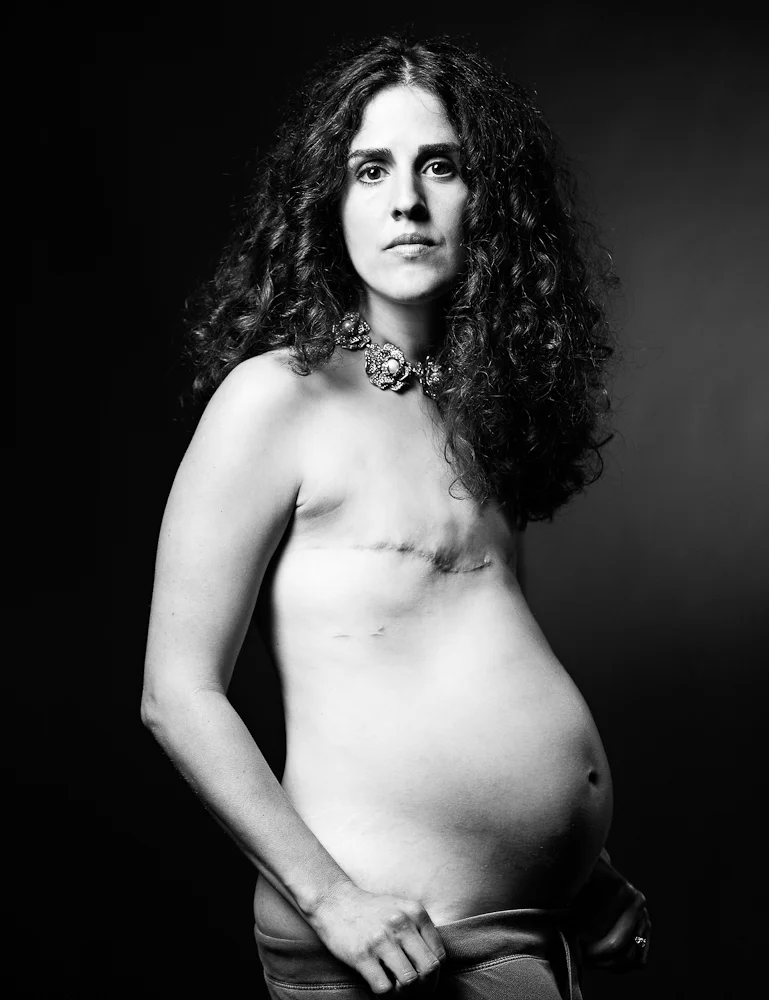
David Jay Photography via TheScarProject.org
Beauty takes many forms.
I have unending admiration for the women who have lost their breasts to cancer and have chosen not to reconstruct. I think they are just as beautiful as women with breasts; reconstructed or natural. But after much debate with myself, I have chosen another path.
Tomorrow, June 24th, I am having a bilateral mastectomy and hopefully, reconstruction.
I have chosen to remove both the breast that has cancer and the one that does not. If single stage reconstruction is possible, it will happen shortly after my breast tissue and cancer is removed. If my cancer is still too invasive to save the majority of my skin and nipple, my plastic surgeon will put in tissue expanders that will stretch my skin until it is able to hold a pair of implants.
Either way, I am excited to have a new pair.
This decision has brought with it great freedom. I feel released now from the pressure I had put on myself to practice the asceticism I had applauded as part of renouncing of this process. With my mind settled now on rebuilding what cancer has taken from me, I’ve been able to return my focus to healing.
Spending time in quiet meditation and holding myself with greater tenderness, I’ve been mourning the imminent loss of the breasts I used to feed my son, and pleasure my partner.
In honoring our time together I’ve been directing thoughts of loving kindness towards my breasts and letting go of any negative feelings I’ve had about them in the past. I’ve come to realize that for me saying good-bye to my breasts has also been about letting go of any shame, blame or animosity I’ve felt about them in the past.
I’ve forgiven their colossal and early development in my pre-teens, the shrinking they did when I lost weight in my 20s, the tear-jerking mastitis I had during the first few months of breast feeding, and their abrupt deflation after I weaned my son. I’ve reached back into the distant past and forgiven the right one for being smaller than the left. I’ve forgiven this sweet hijacked tissue from being compromised by cancer and failing to stand up to what I can only surmise is an attack of environmental causation. On the brink of momentous change, I think I’ve finally made peace with my bosom, and let go of old gripes and insecurities.
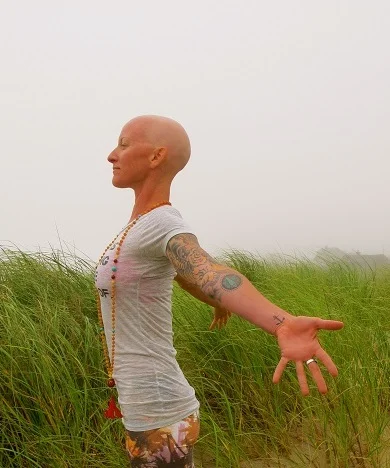
Pre-Mastectomy {Photo: Larisa Forman / Caitlin Marcoux}
I’ve put my hands over my chest and thanked my breasts for all the amazing things they’ve brought into my world: thousands of hours of enjoyment, the pleasure of a satisfied partner, the discovery of a deeply maternal sensibility, and a strapping, well-nourished toddler.
I’m ready now; ready to make space in my heart to welcome myself home again: perhaps a little modified, but healthy, cancer-free and damn it, just as much a woman as before.
“Think of all the beauty still left around you and be happy.” ~ Anne Frank
###
LOOKING FOR MORE 411 ON BREAST CANCER?
CHECK OUT THESE RESOURCES AND PERSONAL STORIES:
BREAST CANCER BLOGS:
HOW TO TALK TO SOMEONE WITH CANCER
{Originally published on RebelleSociety.com May 15th, 2013}
Bummer. Sounds like you have to talk to someone with cancer. I’m so sorry – for you both! After all, it’s no easy task for either party. Going through this very thing myself, I’d like to help you out with a little cancer context, so that we can put your inevitable dialogue into your loved one’s perspective.
Originally published on RebelleSociety.com
May 15th, 2013
Bummer. Sounds like you have to talk to someone with cancer.
I’m so sorry – for you both! After all, it’s no easy task for either party. Going through this very thing myself, I’d like to help you out with a little cancer context, so that we can put your inevitable dialogue into your loved one’s perspective.
The thing about people living with cancer, is that we are a complicated bunch.
Our senses have been rubbed raw by diagnostic testing and medical evaluations. We’ve been graded, staged and given projected survival rates. We’ve seen the fragility of our lives held up before our own faces, and we come away from our treatments feeling vulnerable in a way we’ve never felt before. We cling to our independence, but know we’re dependent on others for healing and help.
We are emotionally taxed and psychically drained.
The very nature of our dis-ease has thrown us into a world off-balance. Not only are our bodies working over-time to halt the production of alien-like rapidly mutating cells, they are struggling to process the toxic poisons we voluntarily ingest to cure ourselves. The very treatments we implement to make us healthy, make us sick. We walk a fine, contradictory line on a daily, weekly or monthly basis.
Cancer survivors know better than most how fleeting life can be.
We live with a foreboding and heavy awareness of risk. We are almost painfully aware that each day we have is precious.While certainly there are many silver linings, we remember wistfully what our lives were like Before Cancer, before the silver linings needed to be pointed out. We navigate the remainder of our days knowing that we will never again feel the pre-cancerous freedom we may have taken for granted.
“Toleration is the greatest gift of the mind; it requires the same effort of the brain that takes to balance oneself on a bicycle.” ~ Helen Keller
We know it’s a tall order, and that our needs are inconsistent, but we really appreciate your patience as we figure out exactly what we need. We want you to be sympathetic, but we don’t want your pity. We want you to look us in the eye, but please don’t stare. We’d like it if you could meet us where we are, not judge us for where you think we should be. We want you to reassure us that we are capable and brave, but don’t blow smoke up our asses; being the authority on ourselves, we know we’ve looked better, felt better, or seemed more grounded.
We’d like it if you lent us a compliment or even two, but for heaven’s sake, please don’t go over board. Sure, Bald is Beautiful, but given the choice, most of us liked ourselves just fine with hair.
Love us.
We still want to be loved, and by that I mean made love to. Those of us withbreast cancer and facing mastectomy could be on the brink of loosing the very largest symbols of our sexuality and femininity. If in the face of buzz-kill cancer, we can muster up enough energy to jump in the sack, please do whatever you can to rise to the occasion.
We might complain all day long about not feeling pretty but at night we’d like to be pursued as if we were the most beautiful women you’ve ever seen. We might ask you to turn off the light, just go with the flow.
Shower us with empathy.
Compassion is a prized commodity amongst our kind. It’s better that chocolate, red wine, or our anti-nausea medication. A single empathetic commiseration that indeed things can suck may be more appreciated than any other grand gesture of affection you can bestow us. It’ll certainly go over better than the knee-jerk condolences you might be tempted to offer up.
The truth is, no matter how above it we may project ourselves to be, we are embarrassed by our vanity. Even those of us who walk a path spiritually devoted to cultivating an awareness deeper than the skin, know real and intense discomfort when our physical identity starts to fall apart.
We may attempt to take control of our hair loss by cutting it short, or shaving it off. We may throw ourselves a Boobvoyage party before a mastectomy or parade around with our newly bald head held high. BUT we are actively engaged in the most difficult task of accepting that we are completely and utterly out of control.
This week I’m grappling with something I find simply humiliating. As if it weren’t bad enough that my hair has fallen out only in patches, to add insult to injury I now have something called folliculitis, a bacterial infection of the hair follicles, not only on my scalp, but also in the soft downy follicles on my neck and all the way down the small of my back. It is nearly impossible to feel sexy when touching your own head gives you the heebie-jeebies.
For all the cancer patients out there who have experience this particular itchy, hot, and unflattering torture, I bow to you. It takes a formidable person to rock this particular look without tears. And to those of you, who like me, have wanted to hide far from society in the seclusion of your own homes, or in the very least under a hat, I feel you. I know the last thing in the world you want to hear is how beautiful you look, when you feel like shit.
Get real.
We know that you know we are strong, but don’t you know we don’t always feel that way? Do you know how hard it is for us to be brave when our hair is falling out and our bones are itching? Do you know there are days we don’t feel graceful, moments we don’t act graceful and times we fail to live up to our own graceful expectations? It is hard for us to feel empowered with an icepack on our head and a heating pad on our knees, dry red eyes and a rashes lashed across our skin.
Sometimes we feel bad.
We don’t envy you: those of you who run into us at the grocery store, or the coffee shop on one of our bad days. We know it’s awkward to hear us panicking on our cells phones with our mothers, or crying to our husbands. But please don’t walk away and pretend that you didn’t hear. Chances are in a moment like that, we need your help and we might be too proud to ask.
Forget attempting to offer up some gratitude platitude (we are more grateful for the chance to keep living than most), just give us a silent squeeze. One hand on the shoulder is worth a million well crafted aphorisms. Most likely, we will hug you back with all our strength; perceived or projected.
We want you to see us. To see our strength and our vulnerability. To feel our pain and to know the depths of our gratitude. Ask us sincerely how it is, and we will tell you the truth.
“There is no difficulty that enough love will not conquer; no disease that enough love will not heal; no door that enough love will not open; no gulf that enough love will not bridge; no wall that enough love will not throw down; no sin that enough love will not redeem…” ~ Emmet Fox
Here are a few more things to keep in mind when you talk to someone with cancer:
1. If you know about our disease, address it immediately. Chances are we already know you had dinner with a friend of a friend the night before last and they told you all about it, so get it off your chest. Waiting for us to tell you how we are puts us in the awkward role of feeling like we’re complaining; usually things could be better, but if you’re curious about how we feel, just ask.
2. If you’re not prepared for some detailed response to your inquiry, just don’t ask. We may need to vent about some gnarly side-effect, and most of them are kind of yuckie. Be prepared to listen. Your shoulder to cry on might be the biggest boon we get all day.
3. Please refrain, if possible, from telling us a story about your friends and relatives who died of cancer. Just like a pregnant women gearing up to deliver her baby, it’s important that we surround ourselves with stories of success not fatality. If you haven’t experienced cancer first hand it is normal to want to relate in any way possible, but for our sake think twice before sharing a story with a bad ending.
4. Unsolicited advice might be great, but it’s still unsolicited. You might just have the most miraculous outside-the-box alternative therapy that you’re dying to put to the test, but please, unless we’ve asked, soften your enthusiasm. No one takes their diagnosis more seriously than the patent themselves. Most cancer survivors I know have thought long and hard about their treatment plans. They’ve often consulted their nearest and dearest and have gotten a second and third opinion. And by the time we are in active treatment we have a pretty solid plan of attack in place.
5. Empathy, empathy, empathy. Plain and simple, cancer sucks. If anyone wants to talk about how it’s a gift, leave that to the patient to offer up.
6. Shower us with love. According to the mother of Western yoga, Judith Lasater, all emotions stem from the two most basic: Fear and Love. We, cancer patients, are confronting our fears in a full frontal attack. Showering us with love is like helping us stock up our arsenals and helps us prepare for battle.
7. Lighten Up. The more you can make us laugh, the better. This is not to say we don’t appreciate you taking our challenges seriously, but let’s face it, laughter is the best medicine. If you can find a way to make us giggle we will love you forever.
I am lucky enough to have some of the best and silliest girlfriends in the world. When three of them came to visit me last month we took over the infusion room at the Nantucket Cottage Hospital. When Gretchen, my infusion nurse, slipped out to go to the lab, the girls promptly took over and we turned Cancerland into Clubland.
9. Touch us. Cancer is not contagious. We can’t give it to you. What we can give you is the chance to heal our aching hearts. Most of us just want to be held.
###